
Balkans and Black Sea
Balkans and Black Sea
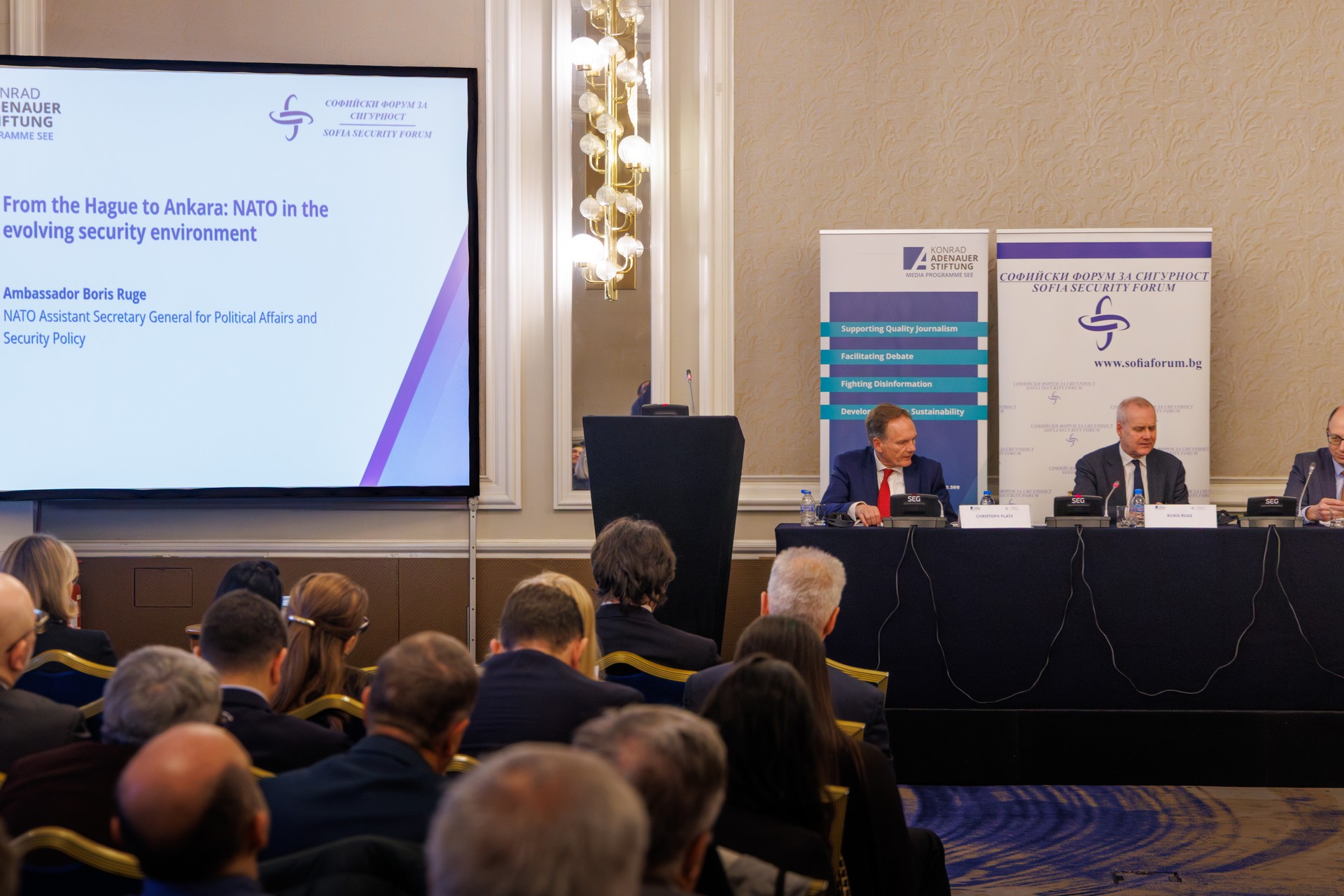
STRATEGIC COMMUNICATIONS IN SOUTH-EAST EUROPE: THE WAY AHEAD
The Sofia Security Forum and the Media Program South East Europe of the Konrad Adenauer Foundation organized on 11 of December 2025 a regional conference to exchange knowledge, identify gaps, and chart a path forward for building stronger, more coherent, and more resilient Strategic communications ecosystems in SEE. In an age of rapid digital transformation, geopolitical volatility, and intensified information warfare, strategic communications (StratCom) has become an indispensable component of national resilience, democratic governance, and regional stability. Countries of South-East Europe (SEE) face a unique combination of challenges: low public trust in institutions, fragmented media environments, disinformation campaigns, and limited inter-institutional coordination. While progress has been made driven by EU, NATO, and donor-supported initiatives strategic communications capacities remain uneven, and often reactive rather than proactive. The conference launched a long-term project aimed at strengthening the role of Strategic Communications in SEE to overcome the above problems.
Event
Global Challenges
Balkans and Black Sea
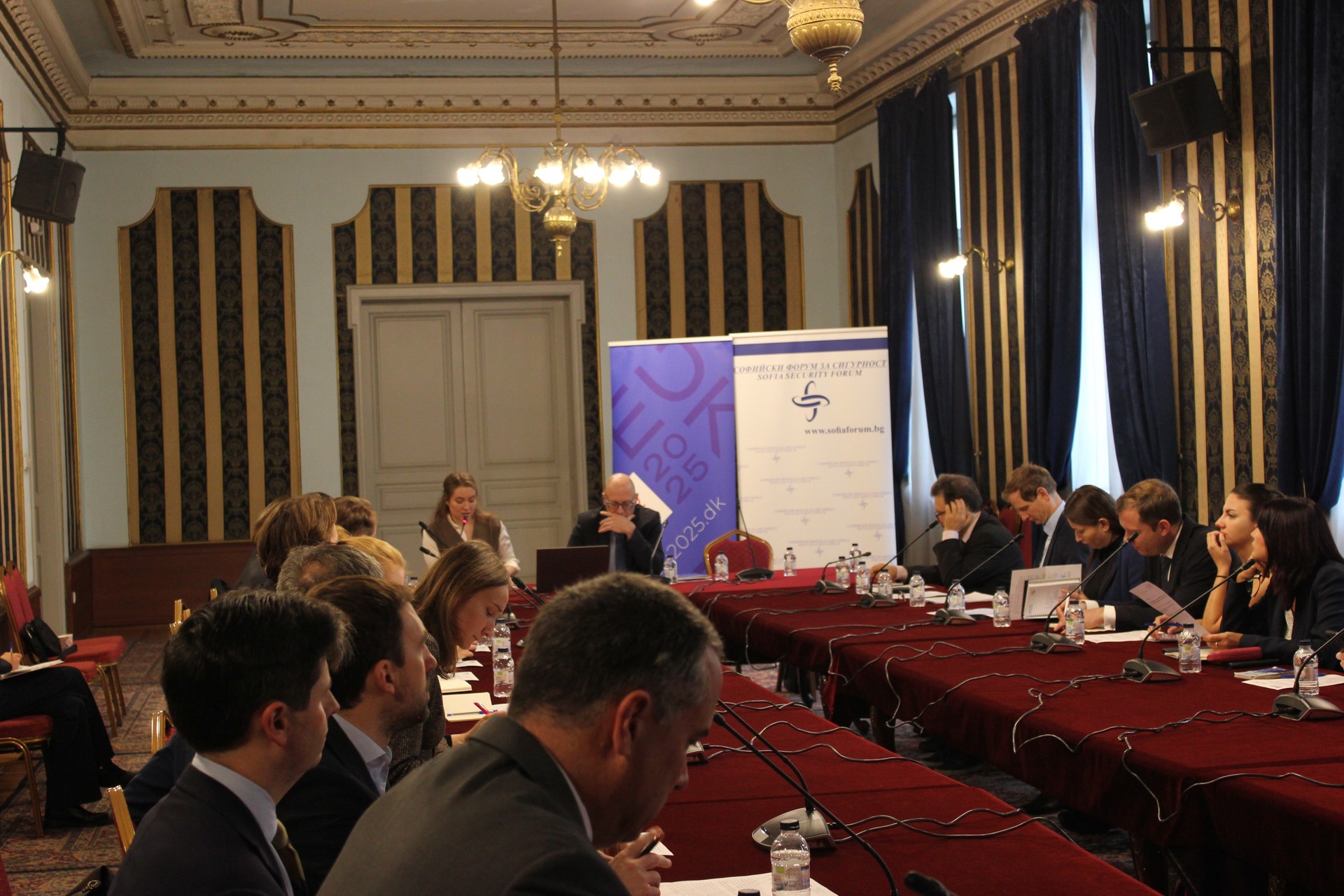
"STRENGTHENING SECURITY AND RESILIENCE IN THE BLACK SEA REGION"
The Sofia Security Forum and the Embassy of Denmark organized a meeting-discussion with the participation of representatives of the embassies of the EU and NATO member states on security in the Black Sea region. The latest analysis of the Sofia Security Forum and the Romanian New Strategy Center "STRENGTHENING SECURITY AND RESILIENCE IN THE BLACK SEA REGION: Reflections from the Sofia Workshop (19 September 2025)" was presented. Participants discussed the risks and threats in the region and ways to deal with them, as well as the role of NATO and the EU in the region.
Event
Balkans and Black Sea
European Union
NATO
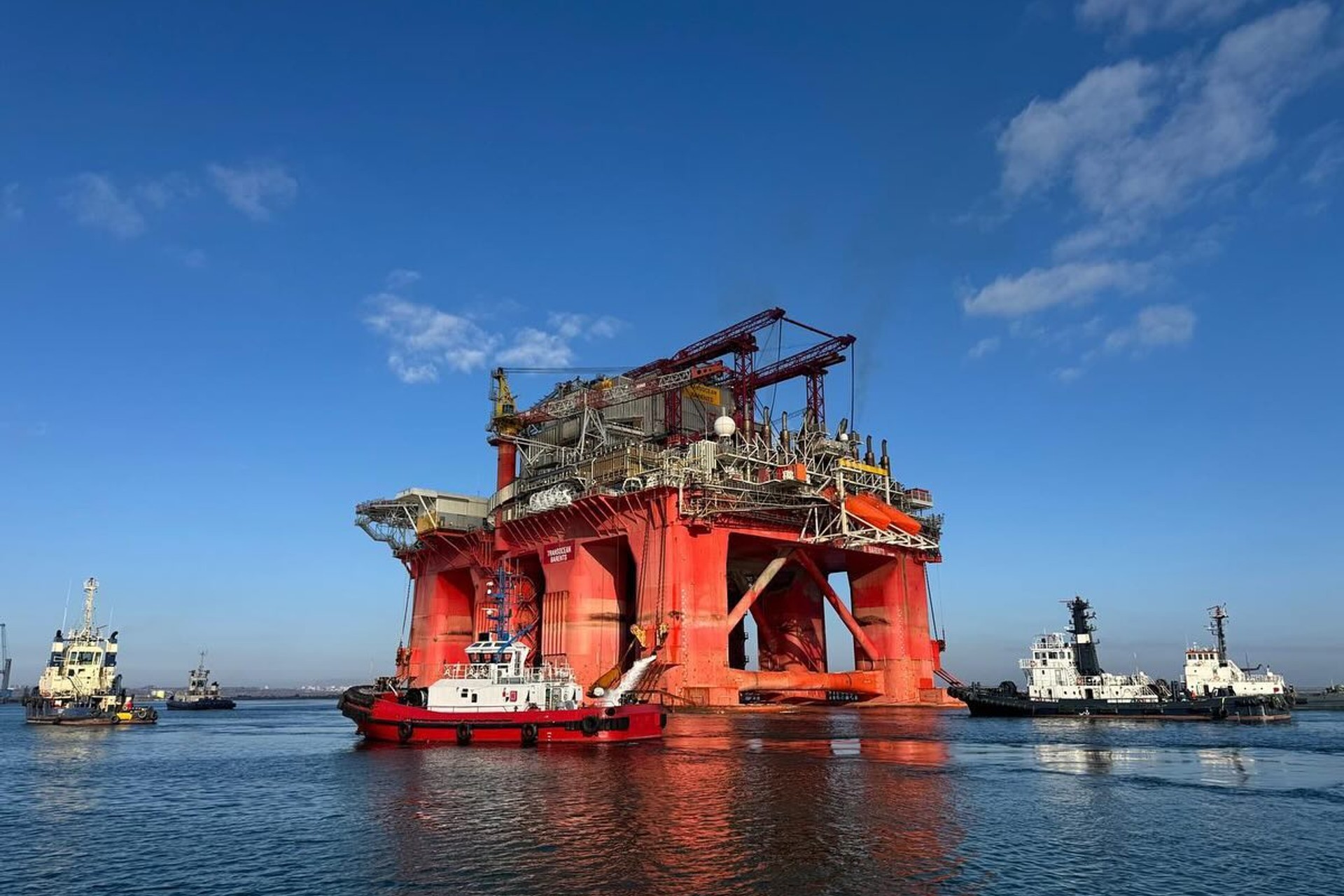
STRENGTHENING SECURITY AND RESILIENCE IN THE BLACK SEA REGION
The document examines the security risks in the Black Sea and the measures that need to be taken at the national, regional and alliance levels to build resilience. The focus is on the protection of critical maritime infrastructure. The material was developed on the basis of a round table organized by the Sofia Security Forum and the New Strategy Center on September 19, 2025, with the participation of high-ranking representatives of various ministries from Bulgaria and Romania.
Yordan Bozhilov
Article
Balkans and Black Sea
Security and Defense
European Union
NATO
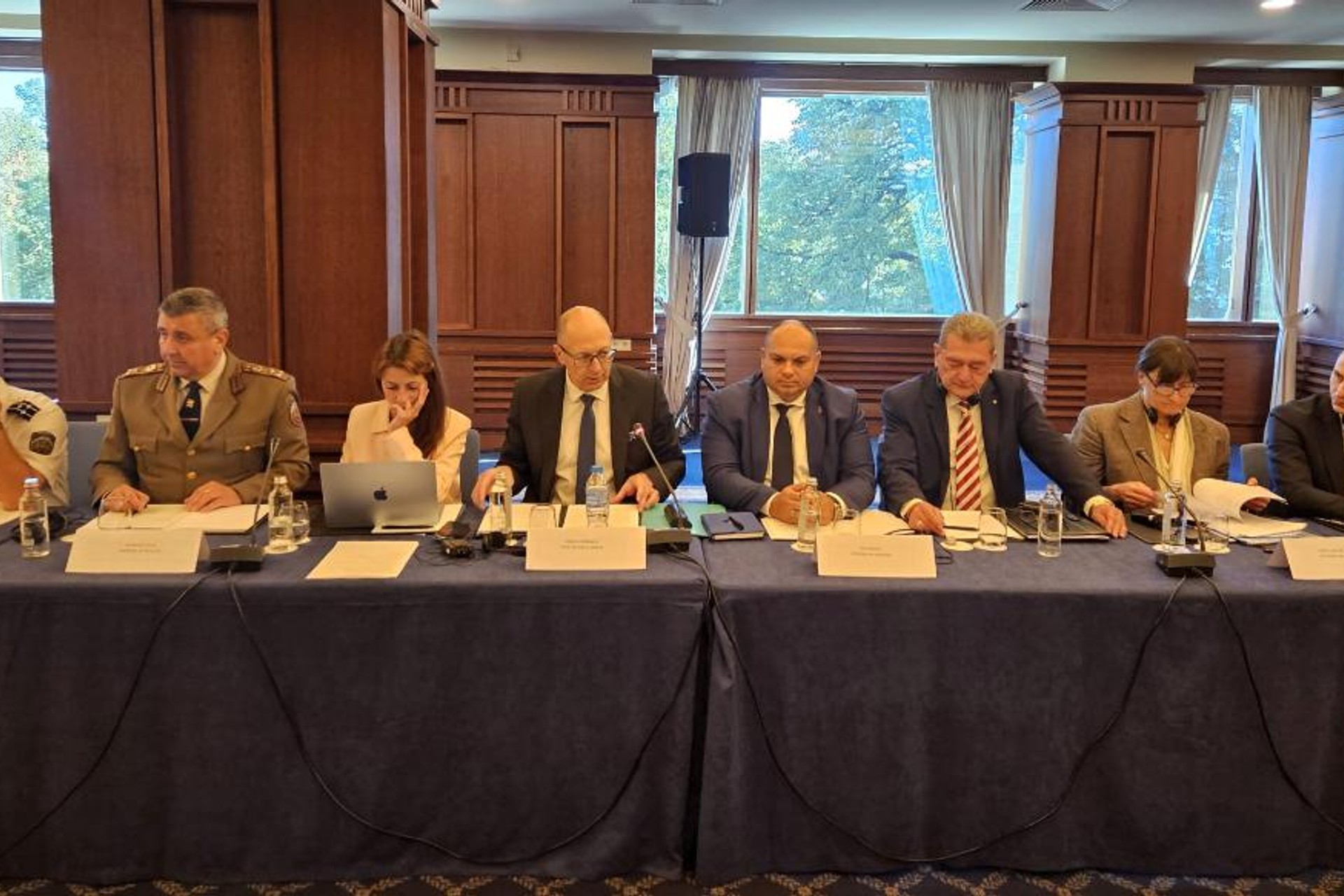
THE EU STRATEGY FOR THE BLACK SEA AND BULGARIA - ROMANIA COOPERATION FOR THE PROTECTION OF OFFSHORE INFRASTRUCTURE
On 19 September, the Sofia Security Forum (SSF) - Bulgaria, together with the New Strategy Center (NSC) - Romania, organized in Sofia a workshop dedicated to “The EU Strategy for the Black Sea 2025 and the Bulgaria-Romania cooperation for protection of the offshore infrastructure.” The event gathered Bulgarian and Romanian officials from the government and a number of ministries, security experts, and representatives of energy companies, engaged in offshore exploration and infrastructure projects. The debate highlighted that the Black Sea has become a frontline for both conventional and hybrid challenges. Participants drew attention to the growing risks to critical infrastructure of diverse nature — from drifting mines and unmanned systems, to cyberattacks, disinformation campaigns, and the disruption of navigation routes under the guise of military drills. These threats were discussed as not only a direct consequence of Russia’s war against Ukraine, but a long-term factor shaping the security in the region. The speakers noted that both the Han Asparuh block in Bulgaria and the Neptun Deep block in Romania illustrate the stakes: offshore resources can provide energy independence for the two countries, but also can create new vulnerabilities that require joint risk assessments, interoperable monitoring systems, and the ability to respond quickly to crises at sea. The need to integrate EU initiatives — including the forthcoming Maritime Security Hub — with national capabilities was highlighted as a crucial step for protecting cables, platforms, and energy corridors. From the Bulgarian perspective, the discussions emphasized that securing the Black Sea is not only a matter of regional solidarity, but a core national interest. Once exploration at the Han Asparuh block advances, Bulgaria has the potential to fully meet its domestic gas needs and to contribute to regional supply. To achieve this securely, participants pointed that its of crucial importance to improve coordination between civilian and military authorities, to enhance the port and coastal infrastructure, investing in countermeasures and technologies for surveillance. The Sofia Security Forum will continue working on the analyses of the risks and threats in the Black Sea with the aim of searching for workable solutions at national and regional level as well as within NATO and EU. We will continue organizing events, offering a platform where decision-makers and experts can develop practical solutions for resilience. Strengthening the Bulgarian-Romanian cooperation in the Black Sea is key not only for the protection of offshore energy infrastructure, but also for ensuring that the region contributes to the EU’s long-term energy security and strategic autonomy, in line with the EU Black Sea Strategy 2025 and will be in the focus of the activities of the Sofia Security Forum.
Event
Bulgarian Foreign Policy
Balkans and Black Sea
Security and Defense
European Union

TRANSATLANTIC RELATIONS
Speech of Mr. Yordan Bozhilov at the Black Sea and Balkans Security Forum, Romania 22-23 May, 2025
Yordan Bozhilov
Brief
Balkans and Black Sea
Security and Defense
NATO

CRITICAL OFFSHORE ENERGY INFRASTRUCTURE VERSUS HYBRID THREATS. HOW CAN WE IMPROVE RESILIENCE
Speaking notes of Mr. Yordan Bozhilov at the Black sea and Balkans Security Forum, Romania 22-23 May, 2025
Yordan Bozhilov
Brief
Balkans and Black Sea