
Cyber Security and New Technologies
Cyber Security and New Technologies

EU TECHNOLOGICAL AUTONOMY. STRATEGIES, FUNDING, AND IMPLEMENTATION
The international conference “Technological Autonomy of the EU: Strategies, Funding, and Implementation,” organized by the Sofia Security Forum and the Embassy of the Kingdom of Spain in Sofia, was held on September 24 at the Central Military Club. The forum brought together representatives of Bulgarian institutions, business, academia, and the diplomatic community. The event aimed to highlight the strategic importance of the EU’s technological autonomy and to foster cross-sector debate on the key challenges and opportunities in this field. The conference was opened by Yordan Bozhilov, President of the Sofia Security Forum; Miguel Alonso Berrio, Ambassador of Spain to Bulgaria; and Martin Danovski, Deputy Minister of Innovation and Growth. The keynote address by Prof. Velizar Shalamanov provided an in-depth perspective on maintaining NATO’s technological edge within the broader context of the EU’s pursuit of strategic autonomy. The first panel, “Strategic Visions for the EU’s Technological Development,” featured Luis Moya (INDRA, EU Defence Division) and Prof. Boyan Mednikarov, representing the Naval Academy and EnduroSat. Moderated by Dr. Monika Panayotova, university lecturer and Vice President of the Sofia Security Forum, the discussion explored innovation ecosystems, regulatory alignment, and public–private partnerships. The second panel, “From Policy to Practice: Turning Strategies into Reality,” focused on defense technological autonomy and security innovation, with contributions from Gonzalo León Serrano (Foundation for Defence and Security Technologies) and Dr. Borislav Bankov (NATO Testing Centre, GATE Institute). The panel was moderated by Yordan Bozhilov. Discussions in both sessions addressed practical issues, technical challenges, and emerging threats, while also presenting innovative and promising solutions—including the “democratization” of space through small satellites and the need to improve not only technologies but also supporting infrastructure. Speakers repeatedly emphasized that NATO’s existing mechanisms and instruments in the fields of security and defense should be adapted and leveraged by the European Union. Building entirely new, independent European structures would require considerable time—a resource the EU cannot afford in today’s dynamic and unstable international environment. This underscored the urgency of closer coordination between European and Euro-Atlantic institutions, alongside targeted investments in strategic technologies and infrastructure. The conference drew strong interest and active engagement from the audience. Participants posed insightful, analytically rich questions that enriched the exchange of ideas and turned the event into a significant contribution to the European debate on technological autonomy and strategic resilience.
Event
Cyber Security and New Technologies
European Union
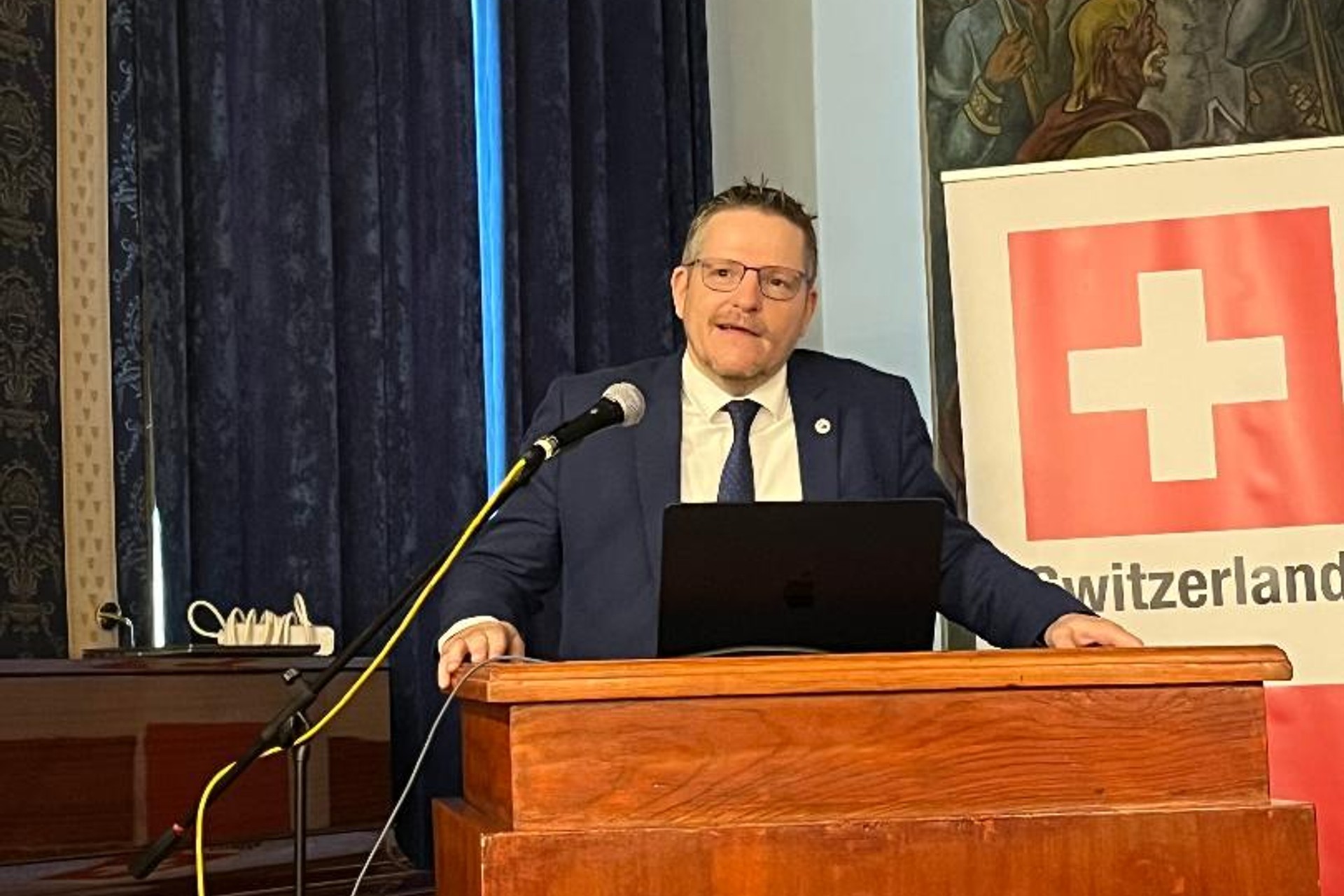
NAVIGATING THROUGH TURBULENT TIMES: THE NEW DYNAMIC IN THE GLOBAL PEACE AND SECURITY LANDSCAPE
The Geneva Centre for Security Policy (GCSP), the Embassy of Switzerland in Sofia, and the Sofia Security Forum organized an engaging discussion titled “NAVIGATING THROUGH TURBULENT TIMES: THE NEW DYNAMIC IN THE GLOBAL PEACE AND SECURITY LANDSCAPE.” The event took place on 6 June 2025 at the Central Military Club in Sofia and marked the 30th anniversary of the GCSP. The GCSP is an international foundation dedicated to advancing global cooperation, security, and peace. It stands as a leading platform in the international security arena, bringing together diverse actors through inclusive dialogue, executive education, and the exchange of ideas. Our guest speaker, Dr. Jean-Marc Rickli, Head of Global and Emerging Risks and Founder and Director of the Polymath Initiative at GCSP, presented an analysis of global trends and connected scientific developments to their impact on security, defence, international affairs, our societies, and individuals. A comprehensive approach like this is essential to understand potential risks and threats, raise awareness among decision-makers, and take necessary measures.
Event
Global Challenges
Security and Defense
Cyber Security and New Technologies
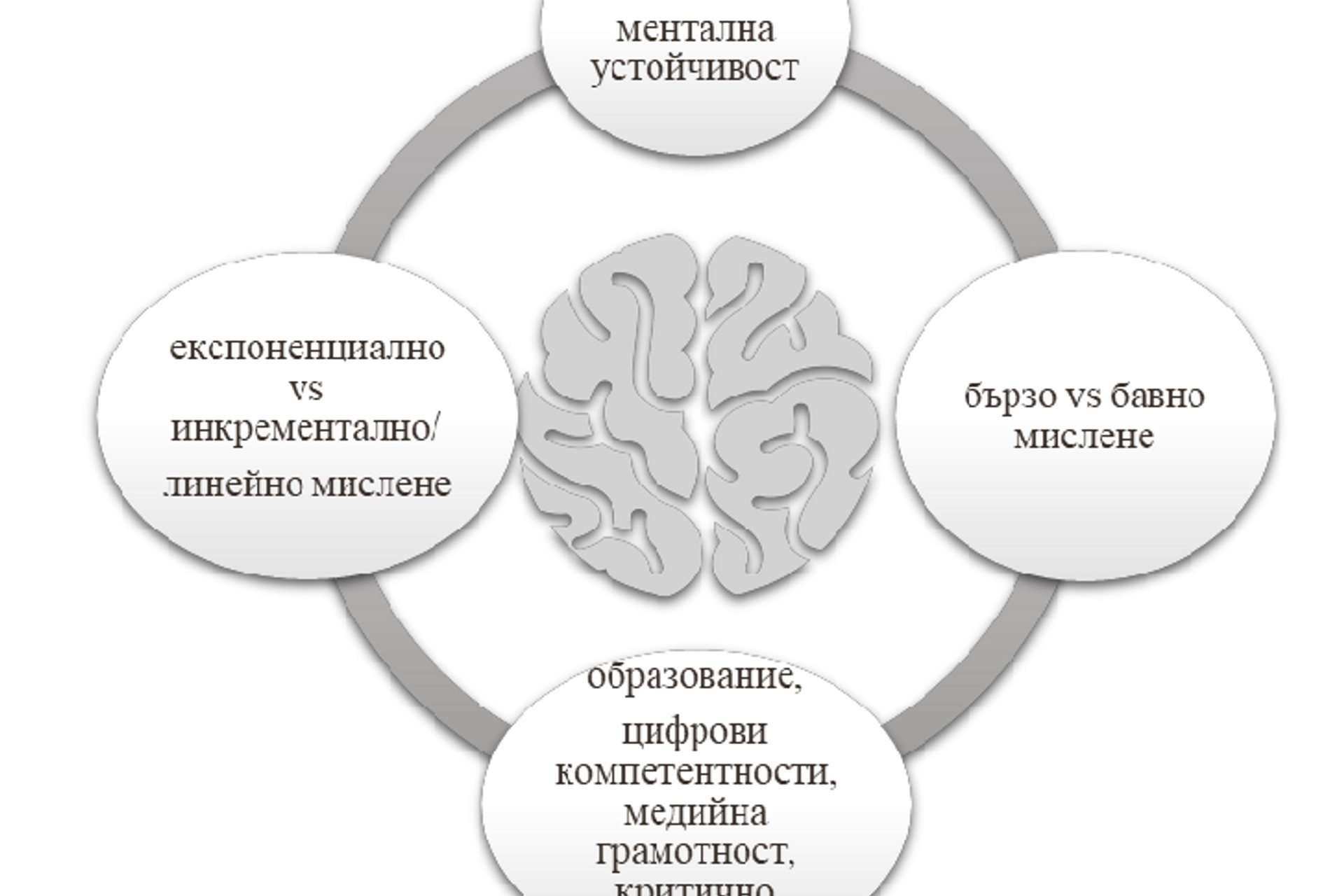
BUILDING RESILIENCE IN THE EUROPEAN UNION IN TIMES OF POLYCRISIS AND CHALLENGES IN THE COGNITIVE DOMAIN
This aim of this publication is to draw attention to the need to build resilience in the societies and Member States of the European Union in times of “polycrisis” and challenges in the cognitive domain. Following an analysis of global risks and hybrid threats, as well as the emergence of artificial intelligence in today‘s communication and security environment, certain recommendations and conclusions are drawn to enable the EU to exploit its potential to be a “multidimensional power”, overcoming non-kinetic challenges to vulnerabilities in democratic societies, citizens‘ minds and emotions. In this research, a range of political science analysis methods were employed. In addition, the “mind maps” technique of the British psychologist Tony Buzan was implemented by enabling the synthesis of ideas through visual representations. On the eve of the European elections in 2024, the publication draws key conclusions and recommendations for overcoming the challenges of desinformation, perception management and psychological manipulation, which undermine trust in democratic institutions and prevent decisionmakers from countering them. These include: building resilience through education, media literacy, critical thinking, digital competencies, mental toughness; the ability to think not only fast but also slow; the application of exponential design to strategic thinking; multilateralism and close cooperation with NATO. https://www.ceeol.com/search/article-detail?id=1215198
Assist. Prof. Monika Panayotova, PhD, Vice President of the Sofia Security Forum
Book
Global Challenges
Cyber Security and New Technologies
European Union
NATO
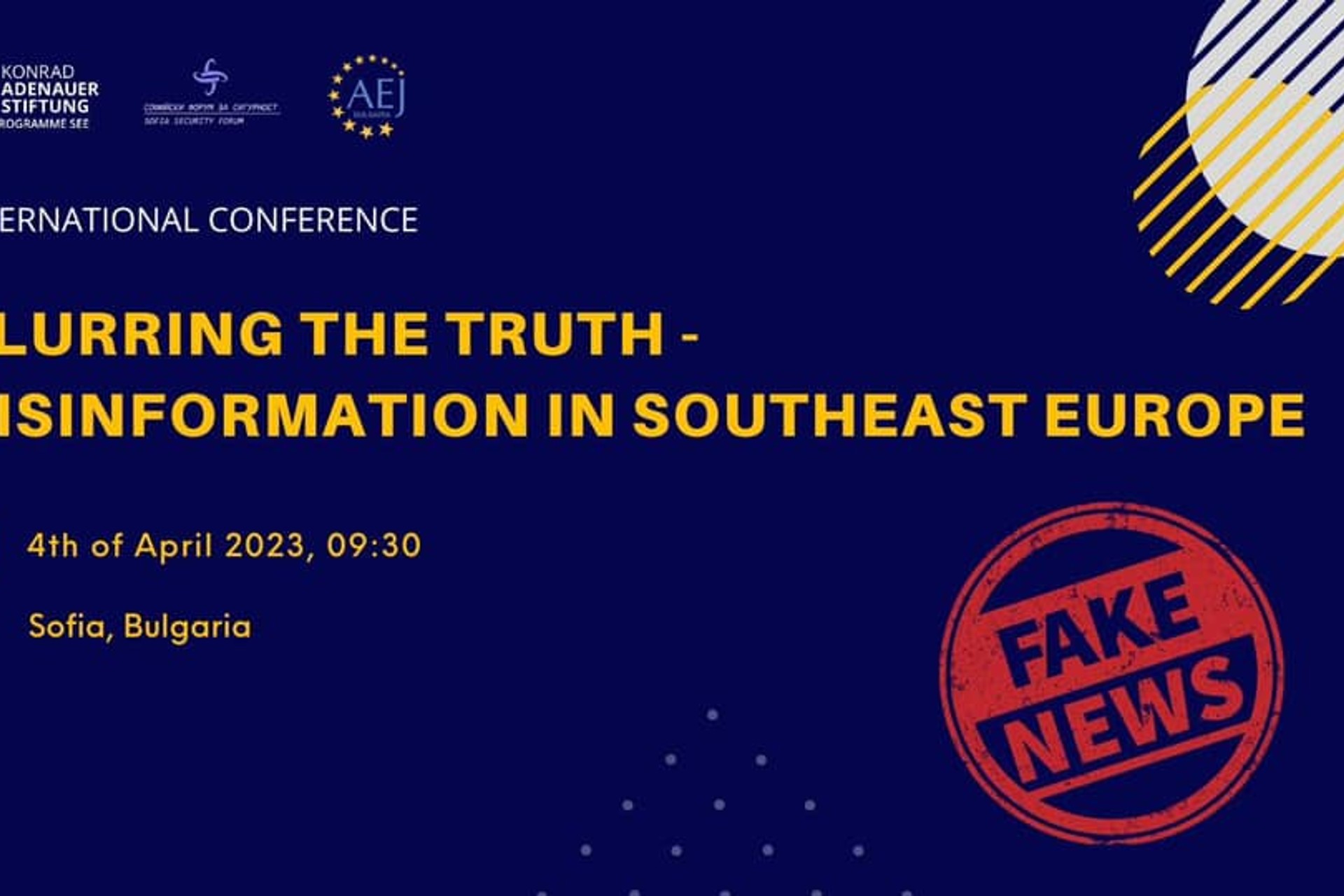
BLURRING THE TRUTH: DISINFORMATION IN SOUTHEAST EUROPE
International Conference about the disinformation in the Southeast Europe and how to counter this threat and develop resilient societies.
Event
Global Challenges
Security and Defense
Cyber Security and New Technologies

WHY THE HYBRID THREATS SHOULD NOT BE UNDERESTIMATED
Sofia Security Forum, the Embassy of the United States of America in Bulgaria and the Students‘ Diplomatic Club organized on 19 April 2022 an academic discussion titled "Why hybrid threats should not be underestimated". The event took place at the Sofia University “St. Kliment Ohdirdski". Assoc. Prof. Dr. Rumyana Christidi of the Faculty of History and member of Sofia Security Forum, was moderator of the event. The speakers were Mr. Yordan Bozhilov, Deputy Minister of Defence, Assoc. Prof. Dr. Ralitsa Kovacheva, Faculty of Journalism and Mass Communication at Sofia University, and Mr. Charles J. Perego, Political and Economic Officer, U.S. Embassy Sofia. More than thirty students attended the event, the majority following “International relations” at the Faculty of Law, but also students from the faculties of “Law”, “History” and “Hebraistika” (Jewish Studies) at Sofia University.
Event
Security and Defense
Cyber Security and New Technologies

THE TRANSFORMATION POTENTIAL OF THE ARTIFICIAL INTELLIGENCE
Online discussion on the various applications and consequences of artificial intelligence in society.
Event
Cyber Security and New Technologies